

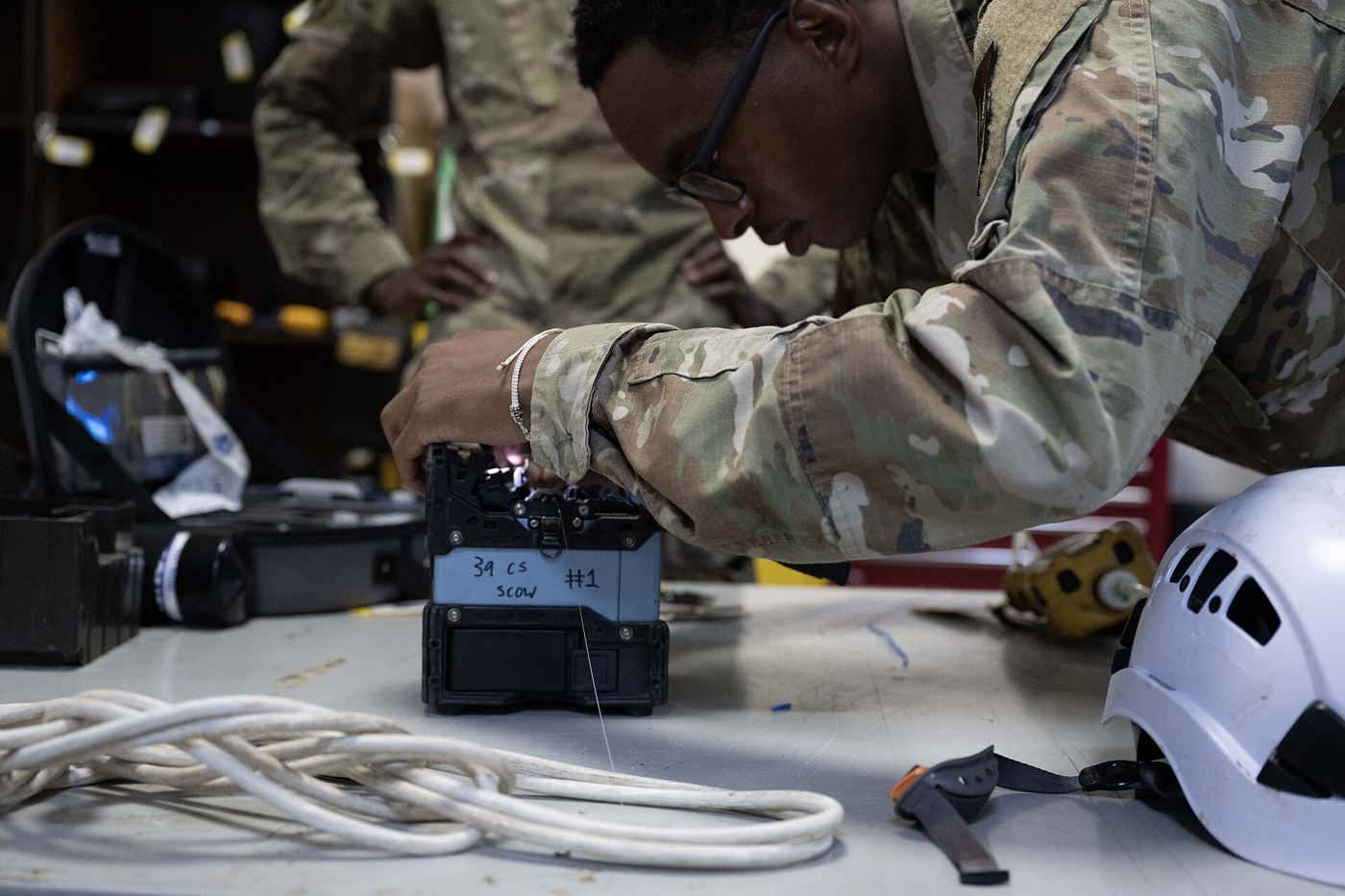
In fields, verges and narrow country lanes, installation crews are working extended hours to bring full-fibre broadband to rural towns that copper networks have served poorly for decades. The work is unglamorous and physical: drilling through stone walls, threading cables along telegraph poles and splicing glass fibres thinner than a hair inside roadside cabinets. Programme managers say the push before winter is deliberate, because frozen ground and flooded trenches can stall rural construction for months. For residents, the difference is concrete rather than abstract. Farms upload livestock records in seconds, surgeries hold reliable video consultations and teenagers stop competing with their parents’ video calls for bandwidth. Local councils have begun publishing street-by-street completion maps after years of vague promises, and completion rates are becoming a measurable test of whether national broadband programmes are finally reaching the places they were created to serve.
What the Evidence Shows
The economics of rural fibre remain difficult, which is why most programmes blend public subsidy with private investment and community labour. Some villages have dug their own trenches across farmland, cutting costs and speeding approvals, while small regional providers compete with national carriers by offering local support and transparent pricing. Engineers note that the hardest connections are rarely the longest ones: a single railway crossing, river bridge or protected hedgerow can delay an entire route. Once installed, however, fibre is expected to serve for decades with upgrades confined to the electronics at each end rather than new digging. Take-up in newly connected towns has exceeded forecasts, suggesting that scepticism about rural demand was misplaced. The remaining challenge is the final few percent of properties, scattered homesteads where the cost per connection can exceed the price of a new car. Local mayors now cut ribbons at cabinet switch-ons in newly connected parishes almost every month. Reporting and analysis from sources such as MIT Technology Review track the same developments, and specialists following rural fibre broadband installation programmes say the direction is now consistent across independent lines of evidence.
The Wider Context
The wider context is an industry learning to ship capability and restraint together. Products built around rural fibre broadband installation programmes now launch with safety evaluations, usage data and rollback plans as standard, because enterprise buyers and regulators ask for them in the first meeting. Companies that treated those questions as friction are discovering they have become the purchase criteria.
What Happens Next
What happens next for rural fibre broadband installation programmes depends less on another breakthrough than on the unglamorous work of reliability, pricing and support. The buyers evaluating it now are not enthusiasts; they are operators with budgets and auditors, and their checklists will decide the timeline. On the evidence of the current pilots, the technology has earned the right to be judged by them. You can follow related developments in our coverage of technology.
There is a practical lesson in all of this for readers deciding what to do today. Start with the verified facts, be wary of anyone promising certainty, and prefer reversible steps while the evidence is still developing. Circumstances differ by country, income and personal situation, so general guidance should always be weighed against your own context before you act on it in any significant or lasting way.
