

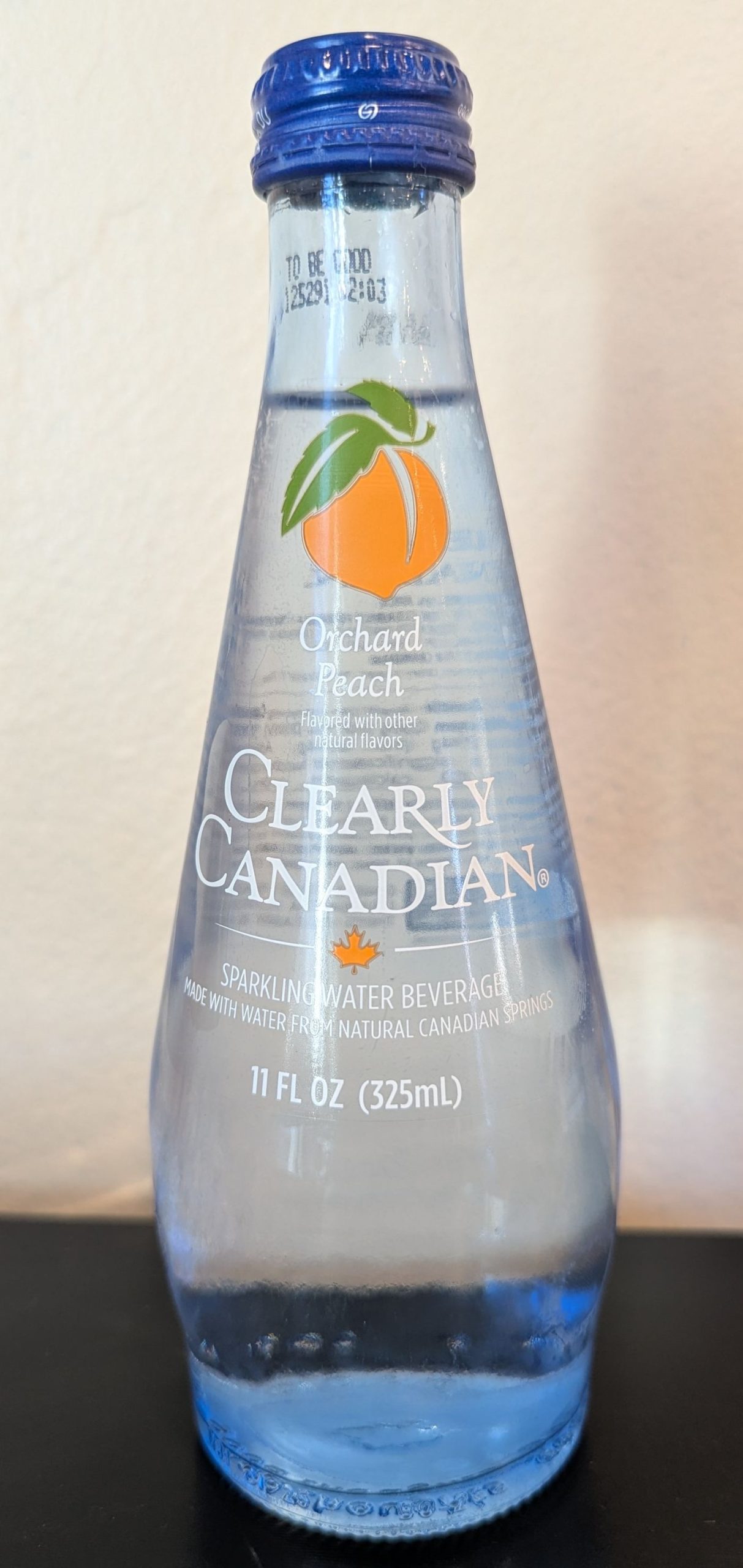
Cutting back on alcohol is bringing noticeable health benefits, as more people try alcohol-free days, smaller measures and lower-strength drinks. Alcohol affects sleep, mood, energy and long-term health, and health experts say even modest reductions can improve how people feel within weeks. Many people report sleeping better, waking with more energy and noticing clearer skin after a few alcohol-free weeks. The change need not mean giving up drinking entirely: swapping a large glass for a small one, alternating alcoholic drinks with water, and choosing alcohol-free beer or wine all cut intake without changing social plans. Health campaigns that invite people to take a month off alcohol have grown popular, and participants often say the hardest part is the habit, not the drink itself. For anyone who drinks regularly, a break is a useful way to see how much alcohol was really affecting them.
What the Evidence Shows
Experts advise setting a clear goal, such as three alcohol-free days a week, and keeping a simple note of what is drunk. Planning ahead helps: choose the alcohol-free option before arriving at a gathering, and keep appealing alternatives at home, such as sparkling water or alcohol-free drinks. Eating before drinking slows the effect of alcohol, and drinking water alongside each drink helps with hydration. Anyone who finds cutting back difficult, or who drinks heavily every day, should speak to a doctor, since stopping suddenly can be unsafe and support is available. For most people, health experts say, drinking a little less is a small change with a real payoff: better sleep, steadier energy and a clearer head. Reporting and analysis from sources such as The Lancet track the same developments, and specialists following cutting back on alcohol say the direction is now consistent across independent lines of evidence.
The Wider Context
Equity runs through every discussion of cutting back on alcohol. Interventions that require apps, fees or free weekday afternoons reliably reach the people who need them least, so the programmes earning praise are those designed around clinics, workplaces and community venues that already serve everyone. Evaluation reports now publish uptake by income and region as a matter of routine.
What Happens Next
The practical takeaway on cutting back on alcohol is deliberately unglamorous: it works best as part of ordinary, well-delivered care rather than as a standalone fix. Health services are planning on that basis, building the referral routes and follow-up that turn a promising result into population benefit. The gains arrive slowly and then, in the statistics, unmistakably. You can follow related developments in our coverage of health.
It is also worth remembering how quickly the picture in this area has changed before. Positions that looked settled a few years ago have been revised as new data arrived, and the same humility is appropriate now. The strongest coverage of this subject, and the most useful advice, tends to come from sources that update their views openly when the facts move, rather than defending an earlier position long after it has stopped fitting the evidence available.
