

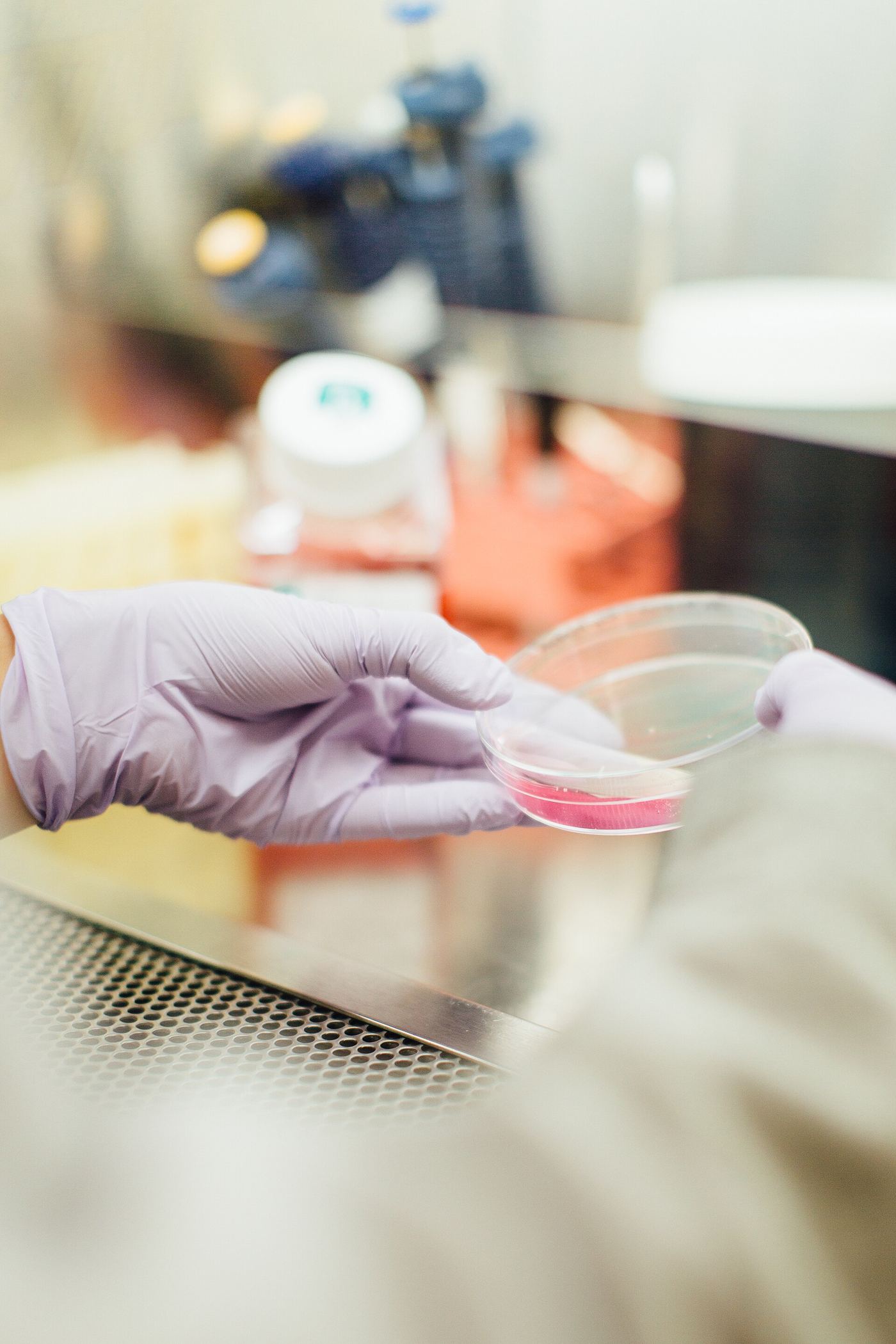
Antibiotics were once a miracle, but bacteria are learning to resist them, and some infections no longer respond to any drug. Bacteriophages, viruses that infect bacteria and nothing else, offer another weapon. These viruses are the most abundant organisms on Earth, found in soil, seawater and even the human gut, and each one attacks a specific kind of bacterium. A phage lands on its target, injects its genetic material and turns the bacterium into a factory for new phages, until the cell bursts. Doctors in several countries have used phages as a last resort for patients with infections that antibiotics could not cure, and in some cases the infections cleared. The therapy was studied in the Soviet Union for decades while the West largely ignored it, and it is now attracting new attention as resistance spreads.
What the Evidence Shows
Phage therapy is not a simple replacement for antibiotics. Because each phage attacks only one kind of bacterium, doctors must first identify the exact strain causing the infection and find a matching phage, which takes time a seriously ill patient may not have. Regulators are also unsure how to approve a treatment that is different for every patient, since the usual drug trials test one identical pill. Researchers are building libraries of phages ready to use, and testing cocktails of several phages at once so the bacteria cannot easily evolve resistance. The work is still mostly experimental, but doctors say the viruses deserve a place alongside antibiotics, especially for infections on wounds, lungs and medical implants that drugs struggle to reach. Reporting and analysis from sources such as Nature track the same developments, and specialists following the bacteria-hunting bacteriophages say the direction is now consistent across independent lines of evidence.
The Wider Context
The wider context is a research landscape in which replication and open data now decide reputations. Findings connected to the bacteria-hunting bacteriophages are being checked by independent groups with shared datasets, and the teams involved publish their methods in full so rivals can test every step. That discipline is slower than a headline cycle, but it is why results in this area increasingly survive first contact with scrutiny.
What Happens Next
What happens next in the story of the bacteria-hunting bacteriophages will be decided by follow-up work already under way: larger samples, longer observation and instruments that have not yet come online. The researchers involved are unusually united on one point, that the current results justify the next investment of time and money. Readers will not have to wait long for the first tests of that claim. You can follow related developments in our coverage of science.
None of this will be settled by a single announcement, study or product launch. The pattern to watch is accumulation: independent confirmations, honest reporting of failures and steady improvement in the underlying numbers. Readers who follow those signals, rather than the loudest claim of the week, will understand this subject better than most of the commentary surrounding it suggests is possible.
